Most people call a wildlife control professional after a tense moment, not a calm one. A raccoon in the attic at 2 a.m., a skunk scent rolling through the HVAC, a squirrel chewing on soffits while the baby naps. When kids and pets are in the picture, adrenaline bumps the urgency up a notch. You want the animal gone fast, but you also want safety, hygiene, and a solution that doesn’t create a new problem next week. That balance is the heart of responsible wildlife control.
I’ve worked around homes, schools, kennels, and community centers where non-target safety mattered more than speed. The methods that hold up under those conditions share a few traits: they avoid poison, they harden the structure so animals can’t return, and they respect animal behavior rather than trying to brute-force a fix. Below is a practical guide to child and pet-safe strategies that combine nuisance wildlife management, prevention-minded pest control, and humane removal. I will also cover where a wildlife trapper fits in, which wildlife removal services to ask for, and how wildlife exclusion services provide the longest-lasting results.
Why safety and ethics help you win the long game
Poison is a short road to a long list of problems. It can harm pets through primary exposure, or through secondary poisoning when a dog finds a dying rodent. It can result in dead animals decomposing in inaccessible spaces, which means odor and sanitation issues. And it doesn’t solve the access point that allowed the animal in. This is why seasoned professionals lean on physical controls, sanitation, and exclusion almost every time. They take more thought up front, yet the failure rate is much lower.
There is also a regulatory and ethical edge. Many states protect certain species, set strict rules for relocation, or require professional licensing for trapping. Working within those boundaries keeps you out of trouble and prevents harm to native wildlife. When kids are watching the process, it sets a good example as well. They see adults choosing a calm, problem-solving approach instead of a heavy-handed one.
Triaging the situation when children and pets live on-site
The first minutes after you discover a wildlife issue matter. You don’t need fancy equipment to lower risk quickly. Secure food, remove attractants, and create safe zones. If there is direct contact, call a professional immediately, particularly for bats or any animal that behaves oddly.
One Wednesday afternoon, I walked into a home where the family dog had cornered a juvenile raccoon behind the laundry machines. The owners were focused on the animal. The fastest fix, however, was moving the dog to a back room and closing two doors between them, then blocking the gap under the laundry room door with a towel. That set up a buffer so we could work without noise, chaos, or bites. The raccoon left on its own that evening through a propped exterior door after we killed the lights and sounds in the room. No traps, no toxins, and no drama.
Understanding the species you’re up against
Each animal forces different decisions. You don’t deploy a bat valve for a skunk, and you don’t set a ground trap for squirrels on a roof without securing the area. A quick species read saves time and improves safety.
Raccoons tend to exploit roof vulnerabilities, attic vents, and chimneys. Young raccoons in spring are the wrinkle. If you seal an entry in May without checking for pups, you might lock them inside while the mother tears your roof open to get back. The humane method is to find the nest, encourage the mother to relocate, then install a one-way door and do the final seal after the family is gone.
Squirrels rarely stop chewing. If your soffits are made of soft wood, expect returns unless you reinforce with metal flashing and hardware cloth. Trapping a few squirrels will not fix a chew-prone structure. Making the building unappealing, blocking entry points, and trimming overhanging branches work better.
Bats are frequently mismanaged. They are protected in many places, and they play a vital role in controlling insects. If you install a one-way device at the wrong time of year, you could strand flightless pups. A correct bat exclusion has a tight calendar, thorough gap sealing, and an eye for the smallest crevice.
Skunks force a conversation about odor, which responds best to prevention, not confrontation. If you corner a skunk, you might escalate to a spray event that contaminates soil, decking, or the crawl space. Gentle herding and passive exclusion under decks make more sense.
Snakes are a sign of prey. If you see snakes, you probably have rodents or heavy insect activity. Remove the buffet, and the snake presence declines.
Groundhogs and armadillos do structural and landscape harm through burrowing. Properly installing an L-shaped footer of welded wire along the fence or deck apron prevents reentry without bait.
The hierarchy of child and pet-safe controls
Think of wildlife pest control through the lens of risk tiers. At the safest and most effective tier sits exclusion and habitat modification. Then come one-way devices and deterrents. Lethal methods sit at the bottom, reserved for legal and unavoidable cases, and not in yards with kids and pets unless there is a direct threat and no alternatives.
Exclusion and habitat modification. This is the strongest long-term tool. If food and shelter are hard to access, wildlife moves along. Screens, chimney caps, soffit repair, deck skirting, and grading work cut future calls in half or better.
One-way doors and valves. These allow animals to exit a structure and prevent return. They require careful sealing of every other gap, otherwise the animal simply re-enters somewhere else.
Targeted live trapping with immediate release on site or relocation as permitted by law. This is used when an animal cannot exit passively, or when it poses immediate risk. Trapping must account for non-target safety. An unsecured live trap is a magnet for curious dogs, neighborhood cats, and handsy toddlers.
Deterrents and repellents. Noise, light, scent. They have limited power but are useful as short-term pushes during an exclusion project. Used alone, they tend to fail after the animal acclimates.
Lethal measures. Almost never appropriate where children and pets are present. If used, it should be documented, legal, and part of a plan that removes the attractant and excludes reentry.
Poison-free tools that work
If you want wildlife control without jeopardizing safety, skip rodenticides. I still see families who bought a bucket of pellets and hid them under the sink, only to trade a squirrel problem for a canine emergency. Focus on devices and building improvements.
Chimney caps with welded wire screens, sized to your flue, stop raccoons and squirrels from nesting while allowing smoke to vent. A stainless cap lasts longer than galvanized in coastal areas. A chimney cap is also a fire safety upgrade.
Soffit and fascia repair using rot-resistant materials. Where wood meets roof shingles, wildlife finds the weakest point. Backing those seams with a strip of 23-gauge galvanized hardware cloth before cosmetic repairs helps the finish material last.
One-way bat cones and netting during the legal exclusion window. These require a methodical seal of all other penetrations, including utility chases, ridge vents, and expansion gaps where different materials meet. A bat can use a gap no wider than your thumb.
Deck skirts and dig-proof aprons for skunks and groundhogs. Use welded wire at least 16 gauge with small openings, bury it or bend it outward as an L-footer 8 to 12 inches deep, and anchor it to joists or a bottom board. The digging stops because the path forward is blocked at the surface.

Crawl space vent screens. Replace flimsy plastic vents with metal units secured with screws, and add backing mesh. A raccoon can pry out a snap-in vent in minutes.
Sealed feed containers. Pet food and chicken feed are powerful magnets. A raccoon can open a simple lid that a child can open, too. Look for metal cans with latch-down lids. Keep them off the floor.
The human factor: habits that help or harm
Wildlife removal services can do excellent work, but daily behavior either maintains it or unravels it. A few habits create more calls than any fancy device can fix. Overfilled bird feeders are the most common. If seed spills into planting beds, you will host rodents at night and squirrels by day. That brings snakes and raptors into the yard, which worries many parents even if the risk to children is minimal.
Pet doors are another. A raccoon will learn to use a flap in a week if the reward is a bowl of kibble in the laundry room. Install microchip or collar-activated doors if you must have one, and move the food bowls well away from the opening.
Trash storage matters. A bungee cord across a bin lid is entertainment to a city raccoon. Use bins with locking mechanisms and rinse meat packaging before disposal. If your municipality allows, store bins in a garage until pickup day.
Night lighting reduces some activity but increases insect draw, which draws bats and geckos. Motion-activated lights, tuned to short durations, offer a better compromise than leaving bright lights on for hours.
A practical, safe workflow for homeowners
You can handle many wildlife issues with patience and a few reliable tools, especially if you stick to non-lethal, child-safe methods. If you prefer a concise checklist, here is one that keeps kids and pets safe while you stabilize the situation and prepare for a professional.
- Create a safety buffer: confine pets, close interior doors, and block gaps under doors with rolled towels to limit animal movement. Remove attractants within reach: cover pet food, close dog doors, secure trash, and sweep up bird seed spills. Document entry points: walk the exterior at dusk with a flashlight, photograph chewed edges, tracks, droppings, and rub marks. Implement passive controls first: install temporary one-way devices where appropriate, and seal non-primary gaps with hardware cloth. Schedule professional help for final exclusion: ask for warranty-backed wildlife exclusion services, and request written proof of sanitization and repairs.
Those five steps aren’t glamorous, but they prevent mistakes that create bigger headaches, like trapping a skunk under the deck or sealing bat pups inside a wall.
When to call a wildlife trapper, and what to ask
There is a point where do-it-yourself meets its limits. Here are signals that you should bring in wildlife control professionals. You can smell strong ammonia or musk near ducts, which often means animal waste in air pathways. You hear movement in multiple walls, suggesting a colony rather than a single intruder. You see a bat in a child’s bedroom or play area, which triggers specific rabies exposure protocols. You have repeated entry despite patching, which usually indicates a missed secondary access route. You find structural chewing near electrical, a fire hazard that needs deliberate repair.
When you do call, ask the company to describe their nuisance wildlife management plan. The best providers outline assessment, removal, exclusion, sanitation, and warranty, in that order. Clarify that you want pet-safe and child-safe methods, no rodenticide baits, and minimal use of deterrent chemicals. Ask them to identify every active and potential entry point, not just the obvious one. That is the difference between pest wildlife removal and true wildlife pest control that reduces your future risk.
Also ask about seasonality and species-specific considerations. For instance, ethical raccoon removal in spring requires handling of dependent young. Responsible bat exclusions happen outside maternity season. If the representative hesitates, keep calling until you find someone who answers confidently and cites local regulations.
The sanitation step most people skip
Even after animals are gone and the house is sealed, you are not finished until you address contamination. Droppings, urine, and nesting materials carry pathogens and odors that can attract new animals. In an attic, raccoon latrines are distinct piles, often on insulation near a warm area. They require careful removal, bagging, and surface disinfection. When there are children in the home, I prefer to replace soiled insulation rather than spot treat, even if the spot treatment appears adequate, because the long-term odor control and air quality benefits are worth the cost.
HVAC returns and ducts should be inspected if you noticed smells through the vents. If animals nested near ducts, consider a duct cleaning after exclusion and sanitation. Keep children and pets out of the area until the cleanup is complete and dries fully.
Outside, wash hard surfaces with a detergent solution after you remove droppings. Soil contaminated by skunk spray can be dug out a few inches and replaced, then watered repeatedly to disperse residual thiols. A concrete pad can hold odor in pores longer than you think. A bleach rinse helps, followed by sunlight exposure. This is not cosmetic. Reduced scent loads make your property less attractive to future visitors.
Deterrents that play well with families
Most deterrents are supplemental. Used wisely, they buy time and support exclusion work. Motion-activated sprinklers are safe and effective for discouraging skunks, raccoons, and stray cats from gardens and play areas. Children like them too, which can be a problem if triggering them becomes a game. Set the sensitivity to avoid constant activation, and aim them low.
Sound machines and ultrasonic devices have mixed results. Wildlife acclimates quickly in many cases. If you try them, do so for short windows while you button up entry points. Keep them away from pet sleeping areas, because some models bother dogs and cats.
Scent repellents that rely on predator urine or strong oils can work on cautious individuals but wash away after rain. I use them sparingly near temporary gaps. Avoid placing strong oils where kids play or touch surfaces. If you must, choose low-residue formulations and apply them away from hands and faces.
Lighting, as noted, is better on motion sensors. Bright, constant light can push animals elsewhere for a night or two, then they adjust. For families, the best use of lighting is to help you monitor, not to deter: it makes your evening checks easier without turning the yard into a stadium.
Special case: bats in homes with children
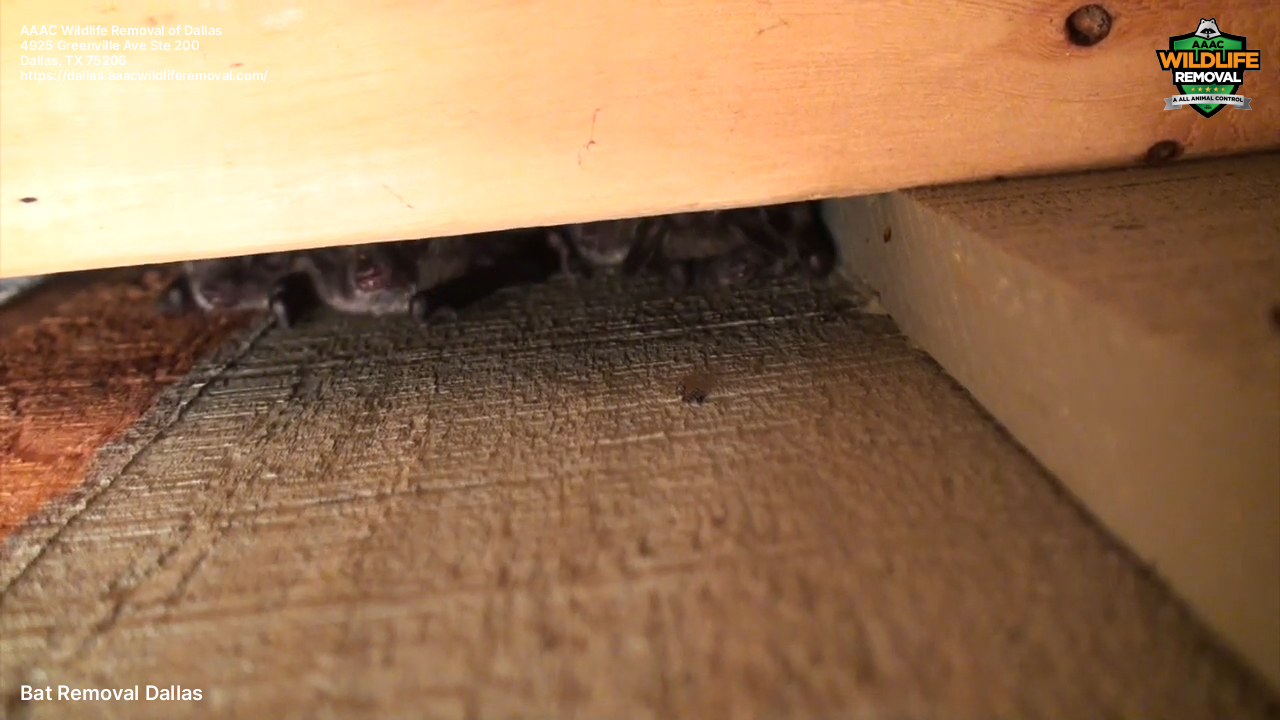
Bats provoke fear out of proportion to actual risk, yet they deserve respect. If you find a bat in a child’s room overnight, call local health authorities for guidance. Even without a known bite, the recommended protocol in many places treats that as possible exposure due to small bite marks and sleep. The medical decision is not a DIY call. From a building standpoint, a proper bat inspection finds entry points often near roof intersections, ridge vents, or gable returns. A professional installs one-way devices at primary exits, seals secondary gaps, and schedules final closure after a few quiet nights of observed exit. Maternity season, usually late spring to summer, is the do-not-exclude window in many regions. Missing that detail is the most common homeowner mistake I see.
From a child-safety standpoint, keep kids out of rooms where bat guano is present until cleaning and disinfection are completed. Store plush toys or bedding from that room in sealed bags until you can launder or replace them. Vacuuming guano with a household vacuum spreads particles. Use a HEPA-filtered unit or let the pro handle it.
Special case: dogs, skunks, and the nocturnal handshake
The most fraught wildlife-pet interactions happen in the hour after sunset. Dogs patrol the yard, skunks forage slowly, and nobody wants to give ground. A skunk sprays not because it hates your dog, but because your dog refused to heed the warning. Training helps, as does managing the night routine. Walk dogs on leash after dusk for a couple of weeks while you install dig-proof skirts under decks or sheds. Add motion sprinklers near suspected den sites. If a spray happens, keep the dog outside while you prepare a peroxide-baking soda-dish soap solution. Commercial products help, but the classic mix works if you massage it into the coat quickly and rinse thoroughly. Protect children from contact with the sprayed dog until it is cleaned. Launder any fabric the dog touches, and ventilate the home.
Legal and ethical lines that matter
Wildlife control sits at the intersection of state law, local ordinance, and federal protections. Songbirds, migratory birds, and bats can be protected federally. Many states regulate relocation of raccoons and skunks due to disease management. Transporting animals across county lines might be restricted. Trapping permits, cage size requirements, and euthanasia rules vary. A reputable wildlife control company will navigate this for you and document their process. If you plan to do anything beyond basic exclusion, check your state wildlife agency’s site. This is not just about compliance. Following the rules protects species, reduces disease spread, and ensures that solutions are consistent with public safety.
Comparing service providers without the sales fog
When you evaluate wildlife removal services, look for a few markers that correlate with results. Ask whether the technician performing the inspection also performs the repairs. A split model, where a salesperson inspects and a separate crew repairs, can work, but the handoff is where details fall through the cracks. Ask for photo documentation of every entry point and every repair. This builds trust and gives you a record if there are warranty issues. Ask about the warranty length for exclusion work. A one-year warranty is common; some firms offer multi-year warranties if they control the materials used.
Request clear language on what is included in “wildlife control.” Some contracts focus on trapping, with exclusion and sanitation as add-ons that balloon the price later. The best contracts prioritize sealing and proofing, with removal and cleanup as defined steps. If the company uses the term pest control as a catchall, clarify that you do not want rodenticide baiting stations in areas accessible to children or pets. Bait stations are common for rodents around commercial buildings, but residential yards with kids are poor candidates unless extremely controlled.
What success looks like six months later
A good outcome is quiet nights, no scratchy noises in walls, a yard without turned-over trash, and pets that ignore the fence line. The deck skirt remains intact, the soffits show no chew marks, and the chimney cap sits tight. You also notice a subtle change: fewer https://trentonddyn462.timeforchangecounselling.com/the-lifecycle-of-a-wildlife-removal-service-step-by-step small hassles. You walk out at dusk and don’t see eyes reflecting under the stairs. The garden fence shows no tunneled gaps. The bird feeder, if you keep one, sits over a tray that catches seed, and you clean it weekly. These are small details, but they compound. Wildlife moves along to easier pickings, which is all you wanted in the first place.
Common mistakes I still see, and how to avoid them
People tend to focus on the animal they see rather than the conditions that set the stage. They trap a squirrel and ignore the half-rotten fascia. They chase a raccoon and leave the dog food bag open in the garage. They hang a bright light under the deck but ignore the gap that allows skunks to den. They seal bat exits in midsummer and create a mess. Each mistake comes from urgency without a plan.
The antidote is a calm sequence: document, stabilize, exclude, sanitize, verify. Don’t skip verification. Go outside at dusk and watch for activity along previous problem areas. If you see nothing for several nights and your repairs are holding, the job is likely done. If you still see movement, find the secondary gap you missed.
The role of professional expertise and when it pays for itself
There is a craft to reading a house the way an animal reads it. Some of that comes with time. A veteran can scan a roofline and point to the soft spot where a squirrel will chew within a year. They can smell a raccoon latrine through a ceiling vent. They can tell you the water pooling along a foundation wall is a bigger wildlife risk than your open compost, because it will push rodents to tunnel and undermine the slab. Hiring a wildlife trapper who understands exclusion is not a luxury when kids and pets are involved. It is a way to compress years of trial and error into one visit, then get a written warranty that protects your investment.
If you bring in help, frame the request clearly: you want nuisance wildlife management focused on prevention, child and pet-safe methods, and durable repairs. You want photographs before and after. You want a price that reflects exclusion as the main event, not just trapping. Professionals who operate that way are proud to explain their process. The rest will pivot back to bait, which tells you to keep looking.
Final thoughts from the field
Wildlife shares our spaces because we make those spaces inviting. Warm voids in rooflines, sheltered decks, convenient food, and loose lids set the table. Reversing that invitation is simple, not easy. It takes a set of small, deliberate choices that respect the animals and protect your family. Most of the time, the safest method is also the most permanent. Close the house properly, remove the attractants, give the animals a gentle exit, and clean up as if your toddler crawls everywhere. The yard gets quieter, the dog stops alerting at 3 a.m., and you sleep better. That is the real metric of success in wildlife control, and it’s one you can achieve without putting kids or pets at risk.