A quiet attic with a faint scratching noise, a garden with tulips neatly beheaded, a chimney that chirps at dusk. These are the moments when wildlife stops being a distant curiosity and walks straight into your home life. If you’ve reached that point, you’re not alone. Calls to a wildlife removal service surge with the seasons, and the right approach can make the difference between a quick fix and a recurring headache.
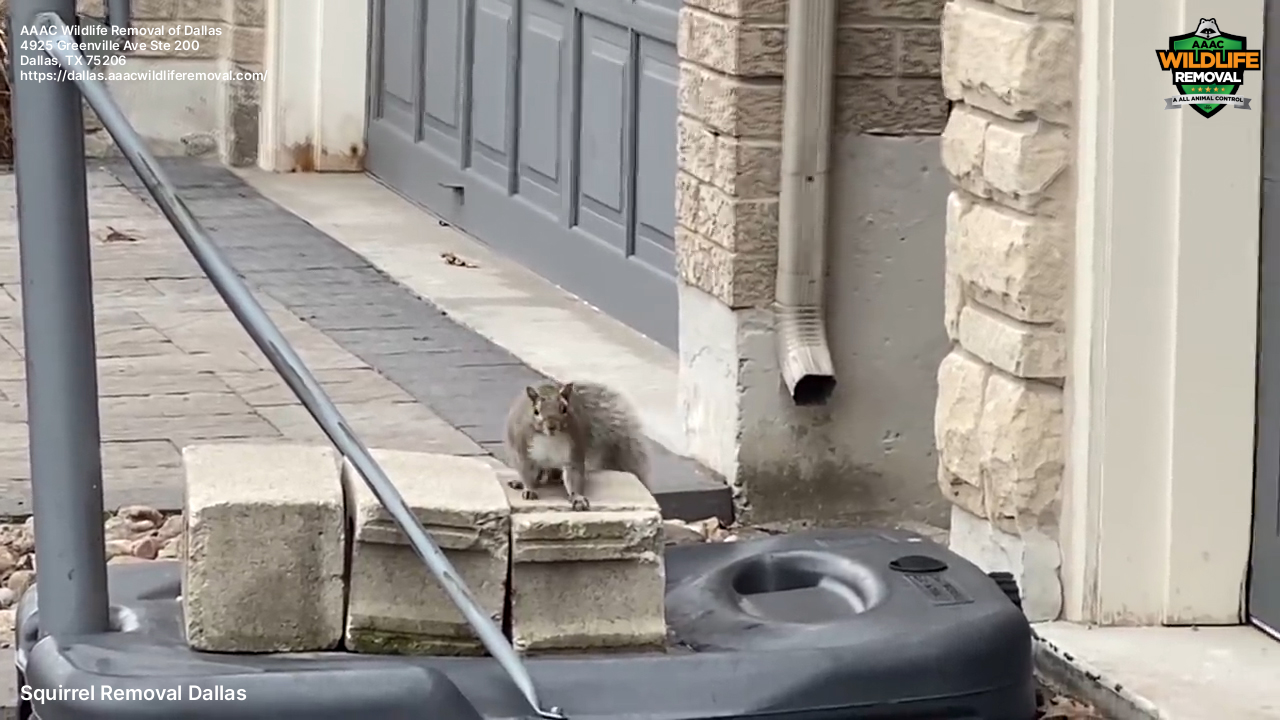
I’ve crawled through crawl spaces that smelled like a barn, eased five-pound gray squirrels off rafters, and sealed rooflines after midnight raccoon raids. This guide distills that work into what a homeowner actually needs to know: how nuisance wildlife management fits alongside pest control, which problems call for a wildlife trapper versus a contractor, what a real wildlife pest control service looks like on the ground, and how to keep animals outside without turning your house into a fortress.
Why wildlife requires a different playbook than insects
Traditional pest control leans heavily on chemical methods, targeted baits, and large-scale population suppression. With wildlife, you’re dealing with intelligent, mobile animals that can climb, chew, push, and pry. Raccoons memorize entry routes. Squirrels treat fascia like a chew toy. Bats navigate by habit, not food. A plan that works for ants won’t cut it for a mother raccoon determined to protect her kits.
This is where nuisance wildlife management comes in. It blends structural know-how with biology, and it’s as much about exclusion as removal. You’re managing behavior and access, not just numbers. The goal isn’t to eliminate wildlife from the neighborhood. It’s to make your home a poor choice, so animals move elsewhere.
Reading the signs before damage multiplies
Most homeowners call only after a problem grows obvious. Early signs tend to be subtle. Light gnaw marks on a soffit. Insulation that looks slightly trampled. A faint smell in one corner of the attic. Once you know what to watch for, you can intervene before an animal sets up a nursery.
Squirrels announce themselves with daytime scampering, especially at dawn and late afternoon. They chew entry holes about the size of a lemon, often at roof edges or gable vents. Raccoons make slower, heavier sounds and leave larger openings, sometimes pushing through loose attic vents or rotted fascia. They’re notorious for rolling back shingles to widen access. Bats are quieter indoors, but you’ll see peppery droppings (guano) dotted below roof lines or a subtle stain where their nightly exit rubs oil onto siding.
Smell matters. Musky odor often points to raccoon latrine sites; ammonia points to concentrated urine from mice or rats. Strong guano odor travels further than people expect, especially in humid weather. If you smell it outside, there’s usually a well-established roost.
Legal and ethical considerations that change your options
Wildlife laws vary by state, and they matter in real life. Many species are protected, even if they’re inside your house. Bats, for instance, are protected in most states and cannot be killed. Many jurisdictions prohibit bat removal during maternity season when non-flying pups would be trapped inside without their mothers. Raccoons and skunks may have relocation restrictions due to disease concerns like rabies or distemper. Songbirds that nest in vents are protected under federal law.
A reputable wildlife removal service explains these limits up front and offers compliant options. If a provider proposes lethal methods for bats, or relocation of certain species without permits, that’s your cue to keep looking.
The anatomy of a professional wildlife pest control service
If you hire a wildlife pest control service and they jump straight to setting traps without a thorough inspection, you’re buying a temporary patch. The effective process is methodical and grounded in building science.
It starts with a roof-to-foundation inspection. Exterior gaps, soffits, dormers, roof returns, chimneys, and attic vents are checked. On older homes, I look hard at the gutter line where shingles meet fascia, because small deformations here lead to enlarged entries after one storm. Inside, insulation disturbance patterns tell you where animals travel. Urine trails can be mapped with a UV light. If a provider isn’t willing to enter the attic, you won’t get the whole picture.
Next comes species identification. The approach for a bat colony differs from squirrel removal, and both differ from a single exploratory raccoon. I carry a small kit: measuring tape for hole size, moisture meter to gauge how long contamination has been present, and an inspection camera to peek behind eaves. We pair these with timing data. Noises in daylight suggest squirrels. Noises around midnight often indicate raccoons. Rustling immediately at dusk hints at bats or birds.
Then you plan the sequence: first, stabilize the situation so it doesn’t get worse; second, remove the animals; third, seal every entry pathway; and finally, clean and restore. Skipping any stage is why so many problems recur.
Removal methods that actually work
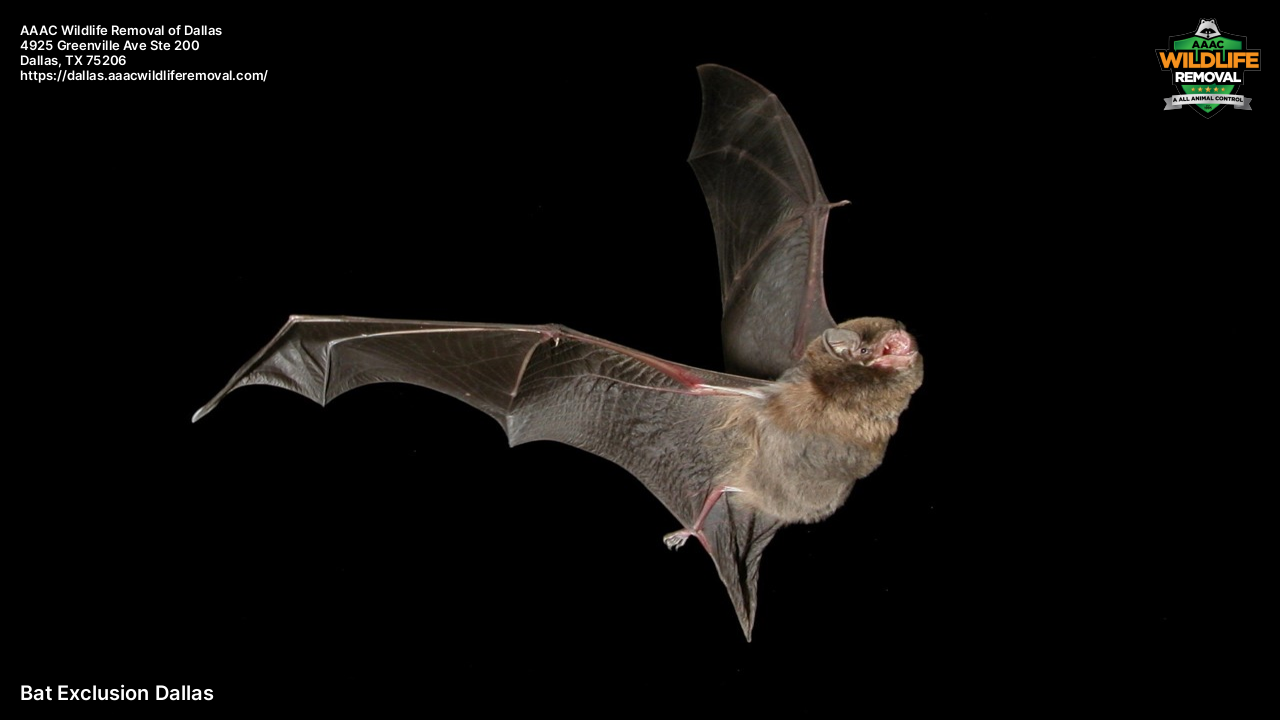
Trapping can be effective, but it is not the default. With bats, there is no trapping at all. You install one-way devices that allow exit but block reentry, then you seal every other gap after a few nights of clear weather. With squirrels, a well-fitted one-way door at the primary entry point often beats a pile of traps. You add external hardware cloth and metal flashing to keep them from making a new hole six inches away.
Raccoon removal demands a different mindset. If pups are present, the mother will return even harder after removal. In that case, we often use a reunion box outside the entry, guiding the mother to move the kits after we gently remove them from the attic. Once everyone is out, we secure the structure with heavy-gauge hardware and, if needed, raccoon-rated chimney caps.
For skunks, patience avoids a mess. A one-way door at a deck skirt works well, but not if a dog harasses them from above. I’ve temporarily blocked dog access for a week to let the process work without spraying. For opossums, exclusion at ground level and habitat cleanup around the foundation does more than any single trap.

The thread running through all this is selectivity. Good pest wildlife removal targets the specific invader and keeps non-target animals safe. It respects local wildlife laws and leans on technique more than brute force.
Why exclusion beats endless trapping
Exclusion is the quiet champion of nuisance wildlife management. It’s the boring part, and it’s the part that keeps homes wildlife-free a year later. A wildlife exclusion service typically involves sealing obvious holes, reinforcing weak points, screening roof vents with code-compliant guards, capping chimneys, and installing kick-out flashing at roof-to-wall intersections where animals love to pry.
The materials matter as much as the workmanship. Galvanized hardware cloth at 16 to 19 gauge holds up to squirrels. Thinner mesh gets chewed. I favor stainless steel for coastal climates where salt eats galvanized steel. For raccoon-prone homes, I’ll choose screwed metal flashing over adhesive-only solutions. Caulk isn’t a barrier to teeth and claws. It is a finish, not a defense.
Done right, exclusion reduces the need for future trapping. You might spend more upfront, but you avoid a cycle of calls every season.
When general pest control isn’t enough
Pest control and wildlife management overlap, but they’re not interchangeable. If your attic harbors rats in addition to squirrels, you need a plan that addresses both. Rodent-proofing alongside wildlife exclusion prevents new entries that would attract the wrong species. The best providers coordinate pest abatement and wildlife measures so they don’t work at cross purposes.
I’ve seen well-meaning rodent baiting campaigns draw predators like raccoons to a structure, which then discovered easy entry points. Integrated plans remove food attractants, tighten up the building, and use targeted trapping where necessary, not across the board.
Health and property risks you shouldn’t ignore
Most homeowners underestimate the damage timeline. A single raccoon can compress R-38 insulation into useless batting in a week, which spikes heating and cooling bills. Squirrels chew wiring. The risk of a fire from damaged insulation around a can light or a gnawed cable is small but real. Bats contribute less mechanical damage but build significant guano piles that can harbor fungal spores. The risk of disease is generally low with proper protective gear, but it is not zero.
Cleanup is more than bagging droppings. I recommend HEPA-rated vacuums, sealed disposal, and treatment of contaminated surfaces. In some cases, removing and replacing a section of insulation makes more sense than trying to sanitize it in place. A good wildlife removal service can advise you on what’s salvageable and what to replace, with line-item estimates that separate labor, disposal, and new materials.
Seasonality and timing: acting without making things worse
Timing can turn a simple call into a costly one. During spring, many species den with young. If you seal holes without checking for pups, you can trap animals inside and create desperate damage as mothers tear new exits. In most of the U.S., bat maternity runs roughly from late spring through late summer, varying by region. Ethical bat removal avoids exclusion during the period when pups can’t fly.
On the flip side, winter can be ideal for exclusion. Animals tend to settle and reuse known entries, which makes it easier to find and fix the exact points. Metal flashings perform well in cold, and you’re less likely to encounter wasps in attic spaces.
Choosing a provider you’ll only need to call once
The wildlife control industry ranges from excellent to shaky, often within the same city. In places like wildlife control Dallas, competition is fierce, and savvy homeowners press for details. A professional will be comfortable answering specifics that a generalist can’t fake.
Consider this short checklist when you call:
- Ask what their inspection includes and whether they enter the attic and roof areas safely. Request a written plan that sequences removal, exclusion, and cleanup, with materials spelled out. Confirm knowledge of species-specific laws, especially for bat removal and bird nests in vents. Look for warranty terms on exclusion work and clarity on what voids them. Compare turnaround time in peak seasons, not just price. A delayed response during a maternity window can limit options.
If a company leads with bargain pricing but cannot explain how they’ll close off under-eave returns or what gauge wire they use on vents, you’re likely purchasing a short-term fix. Good outfits aren’t always the cheapest, but they usually save money over two to three years.
Understand the species to solve the problem
Every species brings different behavior that informs the solution. Treating them as interchangeable “pests” causes repeat failures.
Raccoon removal focuses on maternal behavior and strength. Expect to address broader gaps and load-bearing weak spots. A raccoon can pull at a soffit edge until the nails give, so you anchor replacements into solid framing, not just existing holes. Chimney caps need to be raccoon-rated, which means heavy gauge with secure mounting, not a thin decorative screen.
Squirrel removal depends on persistence and speed. Gray squirrels can open a new hole in thin wood in minutes. You use metal flashing at likely attack points, not just on the original hole. If you only close the primary entry, you often end up in a whack-a-mole cycle. I sometimes recommend trimming two to three feet of tree canopy away from rooflines to reduce launch points, while acknowledging that in dense neighborhoods, you’ll never eliminate all access.
Bat removal is all about patterns and patience. Bats prefer specific routes and home in on habitual gaps. You identify every possible exit and entry, install one-way devices on the primaries, then seal the rest. After two to seven nights of dry weather, you remove devices and seal those last holes. No poisons, no traps, and strict adherence to maternity season rules.
Skunks, opossums, and ground-dwelling wildlife come down to exclusion at soil level. Good skirt installation around decks, porches, and sheds is a craft. The buried apron needs to be deep enough, usually 8 to 12 inches, and turned outward. If it’s installed straight down with no outward flare, an animal can dig along the base and get under it in a day.
The gray area between wildlife and construction
Sometimes a wildlife trapper isn’t what you need first. If soffits are rotten, or you have a bowed gable that flexes in the wind, animals are symptoms of a structural gap. I’ve stepped onto roofs where shingles barely cover a gap at a dormer cheek wall, a construction flaw that practically invites squirrels. In those cases, I coordinate with a roofer or carpenter. We install kick-out flashing, rebuild the fascia, then layer in wildlife-grade screening.
Good providers know where their lane ends. If you’re offered quick caulk lines across rotten wood, decline. The wood will flex, caulk will crack, and squirrels will be back by next month.
Costs, scopes, and what “warranty” really means
Homeowners often ask for a ballpark. Real numbers depend on the house and the species, but some patterns hold. Inspections range from free to a few hundred dollars, depending on depth and whether ladder work is involved. Exclusion plans on a small home with a limited squirrel issue might cost a few hundred to low thousands, especially if you’re adding chimney caps and vent guards. Large homes with complicated rooflines and a bat colony can reach several thousand, particularly once cleanup and insulation replacement are included.
Warranties are useful, but they’re not magic. Most cover the specific excluded entry points and materials used, typically for one to three years. They usually don’t cover new damage in unprotected areas or new holes chewed in wood that wasn’t reinforced. Ask for a diagram of covered points. If a provider is willing to warrant the whole roofline without any reinforcement, be skeptical.
Sanitation, odor control, and restoring your attic
After removal and exclusion, the attic usually needs attention. Raccoon latrines require localized removal of contaminated insulation and disinfecting the sheathing. With bats, loose-fill insulation can bind guano that appears superficial but extends several inches deep. In those cases, partial or full insulation replacement is justified. A thorough wildlife pest control service will outline these phases and sequence them after animals are confirmed out.
Ventilation matters for odor dissipation. Once entry points are sealed, you want attic air moving properly through soffit and ridge vents. If you screen soffits during exclusion, you must maintain airflow with correct mesh and not block the vent path with insulation baffles. I’ve seen odor linger for weeks simply because baffles were misaligned, not because contamination remained.
Preventive habits that make your home boring to animals
You don’t have to turn your yard into a sterile field. A few habits cut the allure of your home without diminishing its charm. Secure trash lids with locks or straps. Feed pets indoors. Clean grill drippings and store birdseed in sealed containers. Trim branches that create straight shots onto the roof, focusing on the last two to three feet near the eaves. Fix loose shingles and replace punky fascia before wildlife finds it.
Light does not deter raccoons. Ultrasonic devices don’t stop squirrels. Ammonia rags in the attic are a myth that generates false hope and more smell. Physical barriers and maintenance win.
What to expect in a city environment
Urban and suburban setups have more pressure, not less. In a dense neighborhood like parts of Dallas, raccoons raid multiple blocks in one night. Wildlife control Dallas providers often juggle calls where the same family group circulates among houses. That level of pressure means exclusion standards must be higher. Where a rural home might get by with light vent guards, a city home may need heavier mesh and more aggressive sealing of micro-gaps along parapets and roof returns. The upside is predictability: experienced techs in cities know where animals typically breach and can harden those spots quickly.
DIY versus hiring a pro
I respect a careful DIYer. If you can move safely on a roof, handle a drill, and recognize active nests or pups, you can tackle simple exclusion projects. Install a chimney cap, add screens to gable vents, and seal small gaps with flashing and screws. Where DIY goes wrong is timing and identification. Closing a hole with babies inside creates secondary damage and humane concerns. Misidentifying mice for flying squirrels or vice versa changes the approach entirely.
If you choose DIY, commit to a full inspection. Watch for travel stains, trace droppings to their source, and don’t assume the hole you see is the only one. When in doubt, call for a paid inspection. The fee often reduces the total cost because it prevents rework.
What a strong service plan looks like, start to finish
Here’s how a well-run job unfolds. You call, and a scheduler asks smart questions about timing, noises, and access. A technician arrives with ladders, headlamp, protective gear, and a plan to inspect inside and out. They document findings with photos and mark entry points. You get a written scope with line items for species-specific removal methods, exclusion materials by location, and cleanup options. You approve, then the provider sets removal measures appropriate to the species. After clearing activity, they seal the structure and install deterrents like chimney caps and vent guards. Finally, they return for a verification visit and adjust anything that needs tightening. A good provider leaves you with photo documentation, a warranty sheet, and tips tailored to your property.
The bottom line for homeowners
Wildlife issues feel personal because they intersect with safety and home pride. The fix is part detective work, part carpentry, and part animal behavior. If you remember nothing else, remember this: identify the species, time your actions to their life cycle, remove them humanely and legally, then exclude with materials they can’t defeat. Whether https://sethwaxx095.almoheet-travel.com/why-wildlife-exclusion-is-the-most-cost-effective-solution you’re dealing with raccoon removal, squirrel removal, or bat removal, the same disciplined approach applies.
The right wildlife trapper is not just a trap-setter. They are a builder with a biologist’s eye and a clear plan for pest abatement that doesn’t invite new problems. Put your money into strong inspection and exclusion, insist on clarity around laws and materials, and you’ll likely solve the issue once rather than watching it return with the next season.