There’s a moment most homeowners remember clearly: a faint scuttle above the ceiling, the sour note of ammonia when you open the attic door, or a patch of lawn that sinks underfoot like a sponge. Wildlife shares our neighborhoods and often our structures, and while most encounters are brief, some turn into expensive damage and legitimate health risks. A disciplined approach to wildlife control blends accurate identification, measured response, and prevention that respects both the animals and the home you’re trying to protect.
This guide lays out how seasoned technicians approach nuisance wildlife management: how to read the signs, when to attempt a simple fix, and when to bring in professional wildlife pest control. It pulls from years spent crawling in insulation, testing chimney caps in heavy rain, and persuading clever raccoons to move on without creating bigger problems.
Reading the signs before you act
Most problems announce themselves in fragments, and each species leaves a distinct trail. Sound timing matters. Heavy thumps and dragging noises at night often point to raccoons, while quick, repeated scurries at dawn and dusk are consistent with squirrels. Bats tend to be nearly silent inside, with chittering near dusk. Rodents scratch and gnaw with irritating regularity, especially near food sources.
Smell helps, but only if you know what to look for. Bat guano smells sharp and musky and may crumble into powder that leaves bronze stains and sparkles from insect parts. Raccoon latrines create a pungent, fecal odor, usually in concentrated spots like flat roofs, attic corners, or at the base of a tree. Dead animal odors often show up as a wave that rises and falls with air pressure, strongest near baseboards or return vents.
Visual cues often clinch the ID. Small, rice-sized droppings with pointed ends suggest mice. Squirrel droppings look similar but larger and more rounded, usually clustered near entry points. Raccoon tracks show distinct hand-like prints around soft soil and mud. Grease rubs around a soffit hole, coupled with shredded insulation, fit squirrel behavior. Guano staining beneath a ridge vent or the top course of brick usually indicates bats are using a gap as a flyway.
The more pieces line up, the quicker you can choose the right method. Misidentification can cost weeks. I’ve seen homeowners set mouse traps for months while a bat colony quietly expanded behind a chimney chase, and I’ve also seen brand-new roof vents ripped out by raccoons after a company sealed the wrong hole.
Health and legal considerations most people miss
Wildlife removal isn’t just a handyman task. Rabies vectors include raccoons, skunks, bats, and foxes, and you should never handle them barehanded or attempt to confine them in a room. Local laws often classify certain species as protected, and bat maternity season is a major legal and ethical red line in many states and provinces. Exclusions during maternity periods can trap flightless pups, leading to die-offs, bad press, and fines. Many jurisdictions allow wildlife trapping only with specific licenses and require live release or humane euthanasia under strict rules.
If you smell strong ammonia in a sealed attic and see heavy droppings, wear PPE. For attic work with bat or raccoon waste, I use at minimum a half-face respirator with P100 cartridges and disposable coveralls with gloves and booties. Histoplasma spores can ride bat guano dust, and roundworm eggs from raccoons can persist for years in contaminated insulation. A good wildlife control plan isn’t complete without safe cleanup.
Raccoons: smart, strong, and opportunistic
When raccoons break into a home, they usually exploit weak points you can see from the ground if you know where to look. Metal ridge vents that rattle, plastic roof vents that flex, rotted fascia behind a gutter, or a loose attic fan cover all serve as invitations. On one winter job, a female raccoon tore a six-inch gap along a cedar shake ridge line, slid into the attic, and nested on the warm side of the insulation above the nursery. She wasn’t malicious, just following heat and scent. It took a one-way door at the ridge, reinforced with a heavy-gauge hardware cloth frame, and then a full ridge-line rebuild with pest-resistant materials to solve it.
Raccoon removal is safest when you assume a female may have kits in spring or early summer. If you trap without checking for a den, you risk orphaning the young. Thermal imaging or careful inspection of insulation depressions helps locate a nest, and audio cues are telling: kits make a high-pitched chittering, especially when the mother leaves. Many wildlife control pros will encourage the family to move by scent deterrents and disturbance before installing a one-way device. Once the family exits to relocate, they secure the breach the same day.
Tactics that fail with raccoons almost always rely on weak materials. Thin screening and plastic covers are chew toys. Use rigid metal flashing, screws with wide washers, and substrates that can’t be pried up. Caps for chimneys should be stainless steel with a tight mesh, anchored into brick rather than mortar alone. If you try DIY, keep your plan reversible until you know you have the exit right. I’ve seen raccoons trapped inside when someone sealed every visible gap at once.
Squirrels: speed, persistence, and early mornings
Squirrels exploit chewable edges. Cedar fascia, foam-ridge fillers, and even lead boots around plumbing vents are vulnerable. If you hear first light activity and midafternoon rustling, squirrels are good suspects. Gray squirrels tend to use the same route repeatedly, wearing a path along the roof edge or a tree limb that overhangs the roof. Red squirrels stash caches and can map a house in days.
Squirrel removal hinges on two truths: they want an easy path in and they hate to lose a route. The best wildlife exclusion uses heavy hardware cloth, properly boxed around roof returns and soffit vents, with a one-way flap at the primary hole. After 24 to 72 hours of quiet, you can close the flap and reinforce permanently. In a wood-framed gable with peeling paint, I’ll often install a custom metal trim that protects the seam between gable and soffit, because even a pencil-sized gap can become a two-inch hole after a night of chewing.
Attic fans deserve special attention. A typical plastic fan cover invites chewers, and once inside, squirrels strip wire insulation and shred fiberglass batts for nests. Replace flimsy covers with louvered metal units or reinforced cages that leave airflow but deny teeth. Professional squirrel removal crews carry a small metal brake on the truck, so they can custom-bend drip edges and trim pieces that blend with the house and outlast rods and foam.
Bats: quiet tenants with strict rules
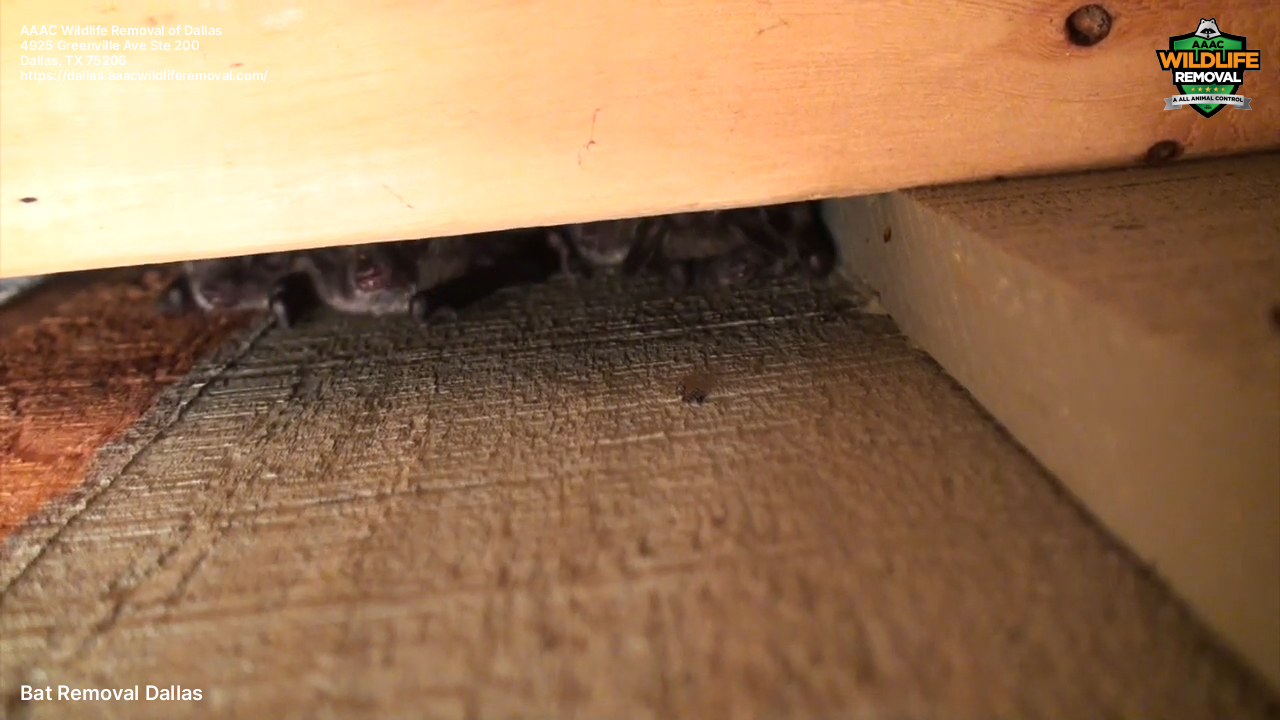
Bat problems look subtle from the outside. You might find peppery droppings on a windowsill below the roofline or a faint brown stain where bats squeeze through a ridge gap at dusk. Inside the attic, guano tends to fall in a narrow band below the entry, not scattered like squirrel or raccoon waste. The fix is straightforward in principle: find every potential gap larger than a thumb, seal them, then install bat valves on known exits for at least a week of clear warm weather. The nuance comes from timing. Bat maternity season varies, but generally runs late spring to mid or late summer. Excluding during this period can trap flightless pups, which is both inhumane and often illegal.
Bat removal requires patience and solid prep. If you skip sealing secondary gaps before installing one-way devices, bats simply reroute and you chase them along the eaves for weeks. In one church steeple, after years of failed sealant-only approaches, we performed a full prep: stainless mesh behind louvered vents, ridge-line closures, and then a series of carefully placed bat cones. The colony left within nights, and the church reported the first guano-free summer in a decade.
Cleanup after a bat exclusion should be methodical. Agitating guano without PPE invites risk. We typically remove contaminated insulation, HEPA-vac the decking, apply an enzyme-based bio-cleaner, then reinsulate to R-values appropriate for the climate zone. Homeowners often balk at the cost until they learn how guano corrodes metal fasteners and stains drywall from the backside during humid months.
Skunks, opossums, and ground-dwellers: problems that start underfoot
While roof intrusions grab attention, a surprising share of wildlife control calls involve crawlspaces, decks, and stoops. Skunks and opossums prefer dark, quiet cavities. The first sign is usually smell, but not always. A yard with sudden soft spots, depressed tunnels along fence lines, or a dug-out void beneath a concrete step deserves inspection.
Wildlife exclusion for ground-dwellers is about trenching and apron installation. A proper dig-out uses a galvanized mesh skirt that drops vertically 8 to 12 inches, then bends outward for at least the same distance, backfilled with soil and compacted. We bolt the mesh to the base of lattice or sill plates with washers. Without the horizontal apron, animals simply tunnel under the vertical section. I’ve revisited too many jobs where someone laid a straight fence to grade and wondered why the skunk returned a week later.
If you backfill with loose gravel, expect persistent digging. Soil compacts more tightly and integrates with roots, making excavation harder. In heavy clay or frost-prone soils, I spread the apron slightly deeper and add a cap of clay on top to shed water. These small construction details make a bigger difference than any repellent spray.
Birds where they shouldn’t be
Bird intrusions in vents are more than noise. Dryer vents packed with nesting material become fire hazards, and bathroom fans clogged with twigs grow mold. European starlings and house sparrows are the most frequent culprits in my region. They push past flimsy plastic louvers with ease. Good solutions combine removal of nesting material, installation of a smooth-duct connection for airflow, and a rigid metal vent cover with a secure hinge for cleaning. If you settle for mesh over the opening without considering lint, you trade birds for lint accumulation and airflow problems.
Chimneys invite chimney swifts in particular, which are protected in many places. If you hear chittering and flapping in a live masonry chimney during warm months, call a pro familiar with swift regulations. Once they leave for the season, a stainless steel cap and a proper crown repair resolve it for good.
Why repellents and gadgets disappoint
Customers often ask about ultrasonic devices, predator urine, and spicy sprays. In open landscapes, a motion-activated sprinkler sometimes buys time with deer and raccoons. Inside structures, these approaches rarely work for long. Animals habituate quickly, and odor-based repellents fade. If a mother raccoon has a safe, warm den above your insulation, a little scent won’t uproot her kits. The best wildlife control relies on exclusion, not deterrence. Repellents can help during a transition, but only when paired with a real structural fix.
Similarly, foam has its place for air sealing, not animal exclusion. If an animal can get its teeth on foam, it will. Use foam as a backer behind metal, or to fill voids after you’ve installed a rigid barrier. For aesthetic surfaces, color-matched metal trim often disappears visually while delivering real bite resistance.
Wildlife trapping: when and how
Trapping has a role, but it’s narrower than many think. For example, raccoon removal can involve positive-set traps placed directly over the entry path on a roof. That’s more targeted and humane than placing a baited cage in the yard where pets can get curious. Squirrels respond to one-way exclusion better than traps in most attic cases, especially in multi-entry homes. Ground-dwellers under steps require a one-way tunnel at the burrow entrance, paired with an apron to prevent re-entry. The goal is to solve the structural vulnerability while removing the animal pressure, not simply catch one offender out of many.
If you plan to use wildlife trapping as a homeowner, check your local regulations first. Many areas prohibit relocation due to disease control policies. In practice, relocation without addressing the attractant or the opening leads to a revolving door of new animals. Professional wildlife removal teams usually combine short-term trapping with immediate wildlife exclusion so they don’t return twice for the same hole.
The anatomy of a solid exclusion
A good exclusion addresses the whole structure, not just the obvious hole. Attics pest control often have dozens of small vulnerabilities: corners where soffit meets fascia, gaps behind gutters, attic fan housings, louvered gable vents, and the intersection of roof valleys with siding. On a typical two-story home, I plan a route that hits every transition where materials change. Animals prefer those lines because builders often rely on caulk and paint without backer flashing.
Materials matter. Heavy hardware cloth in 16-gauge with quarter-inch openings is a workhorse for gable vents and soffit returns. Stainless steel has the best longevity near the coast. Trim screws with broad wafer heads bite well through mesh and wood, and they back out cleanly if you need service access later. For ridge lines, purpose-built metal closures outperform ad hoc foam strips that compress and create channels. Chimney caps should include a storm collar that sheds water onto the crown, not under it.
Even before installing anything, I like a pressure test on a windy day, standing in the attic with the lights off. You’d be surprised how much daylight you can spot along a ridge or where the roof deck meets a dormer wall. Every line of light is a potential entry with the right motivation. If a house passes that test, animals are less likely to choose it over the neighbor’s.
Attic remediation and why it’s not optional
Once animals leave, a proper cleanup keeps the home healthy and deters future interest. Insulation matted with urine loses R-value sharply, sometimes by half. Odors invite new animals to investigate. You also want a clear baseline for future inspections. When we remediate, we document before-and-after photos, mark any electrical junction boxes we uncover, and flag chewed wires for an electrician. A HEPA vacuum removes contaminated dust, and a low-moisture, enzyme-based sanitizer reduces biological load without saturating wood. If the attic had raccoons, we add extra caution for roundworm risk and dispose of soft materials in sealed bags. Homeowners often report lower utility bills after remediation simply because fresh insulation performs properly.
Landscaping choices that lower pressure
Houses don’t exist in a vacuum. Trim tree limbs 6 to 8 feet back from the roof where possible, more if wind sway brings them closer. Swap soft fascia materials for rot-resistant composites or capped aluminum. Bird feeders invite squirrels and raccoons, especially if set near the home. Moving a feeder even 20 feet can change animal traffic patterns. If you have a raised deck, consider a full under-deck enclosure with an apron to stop skunks from making it home, and leave an access hatch for maintenance.
Trash management also matters. Use latching lids and rinse bins occasionally. A single season’s worth of tipped cans can train a raccoon clan to check your curb every Thursday night. If you store pet food in the garage, use metal cans with tight lids instead of bags. Most nuisance wildlife management is a series of small, smart choices that change the cost-benefit equation for the animal.
When to call a professional
There’s no trophy for doing everything yourself, and certain scenarios call for a licensed wildlife control operator. Here are the red flags that merit a call:
- Bat activity during maternity season, or any bat inside a living space. Evidence of raccoon kits in an attic, especially chittering sounds or a central nest depression. Heavy droppings with strong odors or any sign of disease vectors, including fleas and ticks. Structural work at steep pitches, brittle roofs, or chimneys that require ladder tie-offs and fall protection. Repeated re-entry after your own repairs, which usually indicates a missed secondary hole or poor material choice.
Professionals bring wildlife control service near me more than traps. They carry the right metal, bending tools for custom flashing, respirators, lift equipment for three-story gables, and the experience to avoid common mistakes. They also know the legal windows for bat removal and the paperwork for permitted wildlife trapping. Proper wildlife exclusion done once, correctly, is cheaper than piecemeal fixes for years.
Cost ranges and what drives them
Prices vary by region, height, and complexity, but there are patterns. A straightforward squirrel exclusion on a one-story ranch with one main entry might run a few hundred dollars plus a short follow-up. A complex raccoon removal with ridge-line rebuilds, chimney caps, and attic remediation across a two-story colonial can reach into the thousands. Bat removal almost always includes whole-home sealing, which takes time. Expect labor to dominate cost, not materials. Stainless hardware, ridge closures, and caps are relatively inexpensive compared to the hours spent on ladders and in attics.
Avoid the cheapest bid that omits sealing the entire vulnerable envelope. I’ve reviewed invoices where a company installed a single one-way door, then billed again later after animals simply used another gap. The right scope includes inspection, wildlife removal, wildlife exclusion, and, when warranted, cleanup.
What a well-run service visit looks like
The first visit should feel like detective work. A good technician asks about noise timing, inspects the roofline and attic, documents entry points with photos, and explains options. If wildlife trapping is appropriate, they set equipment where target animals travel, not where pets wander. For wildlife exclusion, they schedule return work in a logical sequence: seal secondaries first, install one-way devices, verify exit, then lock the structure down. They’ll discuss bat removal timing if bats are suspected, and they’ll outline any attic remediation they recommend with clear reasons.
Communication matters. You want an explanation of why raccoon removal differs from squirrel removal, how long the process takes, and what warranties apply to the work. Many of us offer one to three-year guarantees on our wildlife control repairs, provided the damage isn’t storm-related or caused by new construction.
Building a house animals don’t choose
New construction or major renovation is the best moment to make a home resilient. Ask your builder for ridge systems with integrated pest barriers, metal-clad fascia, and louvered gable vents backed with quarter-inch hardware cloth. Insist on stainless chimney caps and metal attic fan covers. Make sure soffit baffles are installed cleanly so insulation doesn’t block airflow, because good ventilation controls moisture that can rot wood and invite chewing. Drainage, too, plays a role. If the soil stays dry around the foundation, burrowing animals have fewer reasons to explore your stoop.
Smaller upgrades help on existing homes. Replace flimsy plastic vents with metal units that include a serviceable screen. Add a drip edge where siding meets roof shingles to close the capillary gap that squirrels find irresistible. These touches are often overlooked, but they take less time to install than a second round of wildlife removal.
A practical, minimal toolkit for homeowners
If you prefer to do some work yourself, stock a small set of materials and tools that solve 80 percent of minor vulnerabilities:
- Quarter-inch, 16-gauge hardware cloth, tin snips, and wafer-head screws with a driver bit. A tube of high-quality sealant for small cracks after metal is in place. A headlamp, disposable coveralls, gloves, and a P100 respirator for attic work. A sturdy, properly rated ladder and stabilizer. Never lean it against a gutter. A notebook or phone camera for documenting holes before and after repairs.
Use this kit to secure small soffit gaps, replace brittle vent screens, and inspect the attic safely. For anything involving significant droppings, steep roofs, or suspected bats, call a pro.
The heart of effective wildlife control
At its best, wildlife control respects both the animals and the home. It favors prevention over confrontation, wildlife exclusion over endless wildlife trapping, and long-lived materials over quick foam fixes. It treats raccoon removal differently from squirrel removal because behavior differs, and it handles bat removal with patience and legal awareness. The aim isn’t to seal a house like a submarine. It’s to close the specific pathways animals prefer, maintain healthy ventilation, and keep the structure uninteresting to opportunists.
Homes that stay quiet through the seasons usually share a pattern: attentive owners who notice small changes, tradespeople who take time to do repairs right, and a balanced landscape that doesn’t invite trouble. Given that wildlife will always share our neighborhoods, the goal is simple and achievable. Make your house the one they pass by.